


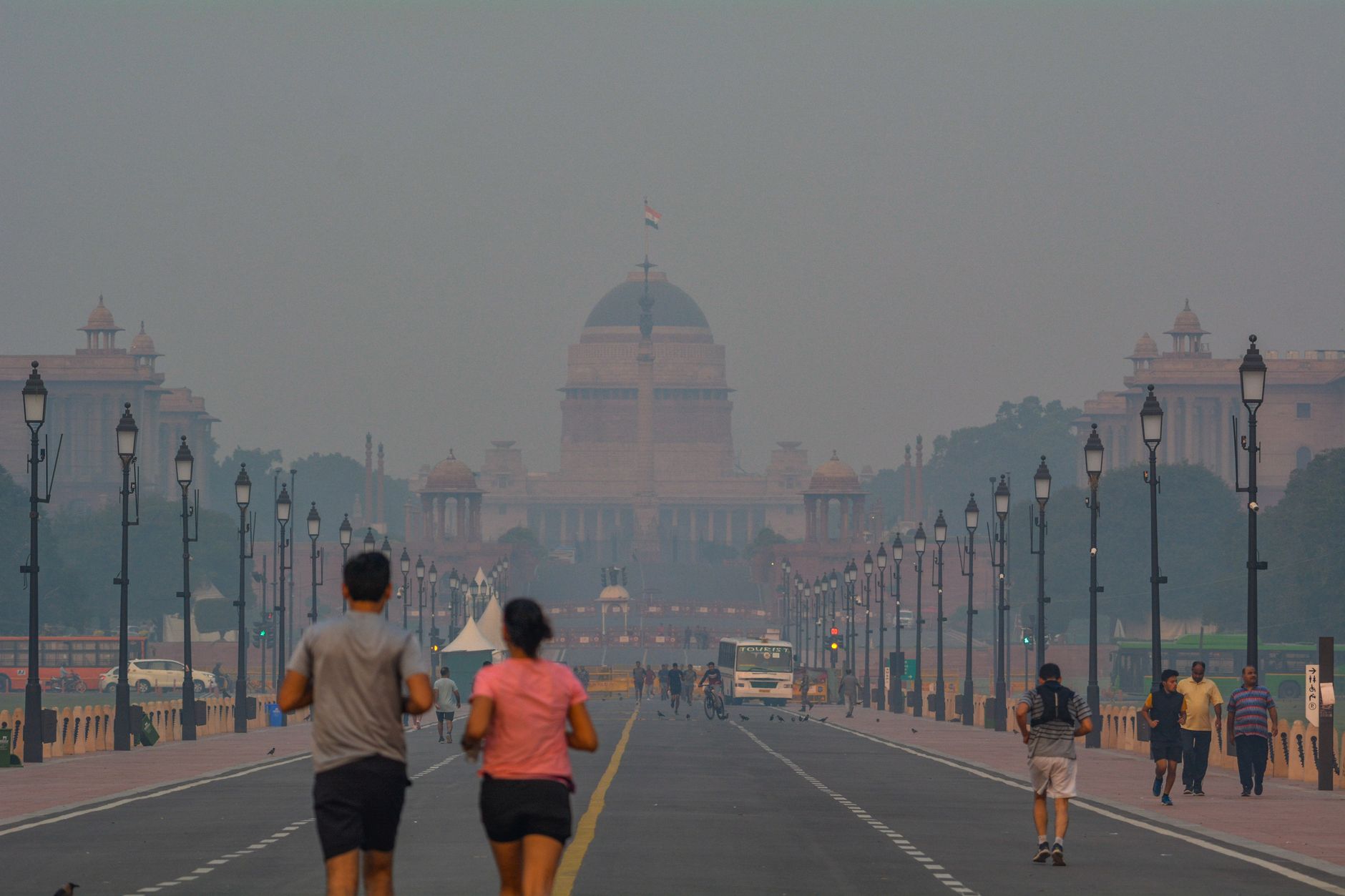
Delhi air quality has reached alarming levels this Diwali, with the AQI climbing to 384. Residents are facing severe pollution challenges as festivities unfold.
Current AQI levels in Delhi
The air quality in Delhi has reached alarming levels, with the Air Quality Index (AQI) soaring to 384, indicating a severe risk to health and well-being. This disturbing rise in pollution levels comes on the heels of the Diwali celebrations, which are traditionally marked by increased firecracker usage.
Several areas in the city have reported particularly concerning AQI levels:
- Delhi University: AQI at 390
- Bhikaji Cama Place: AQI at 385
- IIT Delhi: AQI at 388
- Punjabi Bagh: AQI at 391
Experts warn that such poor air quality can lead to serious health issues, particularly for vulnerable populations, including children and the elderly. The Delhi air quality has become a pressing concern, with residents urged to limit outdoor activities and take necessary precautions to protect themselves from the harmful effects of pollution.
Authorities are expected to implement measures to combat the worsening situation, but immediate action is critical to safeguard public health.
Impact of Diwali on air quality
The recent festival of Diwali has had a significant impact on the air quality in Delhi, exacerbating an already critical situation. As families celebrated with fireworks and other festivities, the levels of air pollution surged dramatically. The Delhi air quality index (AQI) reached alarming levels, peaking at 384, which falls in the severe category.
The use of firecrackers, despite restrictions, has been a major contributor to this spike in pollution. Residents reported thick smog and poor visibility, prompting health warnings from authorities.
- Health Risks: The deteriorating air quality poses serious health risks, especially for vulnerable populations such as children, the elderly, and those with pre-existing respiratory conditions.
- Government Response: In light of the worsening situation, officials are urging citizens to minimize outdoor activities and wear masks when necessary.
- Long-Term Effects: Experts warn that the cumulative effect of such pollution events can lead to chronic health issues, emphasizing the need for sustainable celebrations in the future.
The rapid decline in air quality serves as a stark reminder of the environmental challenges faced by the city.
Health risks associated with high AQI
The deteriorating Delhi air quality poses significant health risks to the city’s residents. As the Air Quality Index (AQI) reaches 384, classified as ‘severe,’ the potential impact on public health is alarming.
Exposure to such high levels of air pollution can lead to a range of health issues, including:
- Respiratory problems: Individuals may experience increased asthma attacks, bronchitis, and other chronic respiratory conditions.
- Cardiovascular diseases: Studies indicate a correlation between high pollution levels and heart-related ailments, putting vulnerable populations at greater risk.
- Reduced lung function: Prolonged exposure to polluted air can hinder lung development in children and decrease overall lung capacity in adults.
- Neurological effects: Emerging research suggests that air pollution may impact cognitive function and contribute to neurodegenerative diseases.
At such critical AQI levels, authorities advise residents, particularly those with pre-existing health conditions, to stay indoors and use air purifiers when possible. It is essential for individuals to remain vigilant and prioritize their health amid worsening Delhi air quality.
Government response to pollution
The Delhi government has announced a series of measures in response to the alarming deterioration of air quality, as AQI levels have skyrocketed to 384, indicating severe pollution. This rise in air pollution has been exacerbated by festivities, particularly during Diwali, when firecrackers significantly contribute to the worsening situation.
The government’s immediate actions include:
- Increased Monitoring: Authorities are enhancing air quality monitoring stations across the city to provide real-time data to residents.
- Public Awareness Campaigns: Initiatives aimed at educating the public about the health risks associated with high AQI levels are being rolled out.
- Enforcement of Existing Regulations: Stricter enforcement of pollution control measures on construction sites and vehicle emissions is being prioritized.
- Promotion of Green Alternatives: The government is encouraging the use of eco-friendly products and practices during festive seasons to mitigate pollution.
While these steps are crucial, experts emphasize that long-term strategies are essential to address the persistent issue of poor Delhi air quality and protect public health.
Public awareness and safety tips
As the air quality in Delhi worsens, with the AQI hitting a staggering 384, public awareness becomes crucial. Residents are urged to take necessary precautions to safeguard their health during this severe pollution period.
Here are some safety tips to consider:
- Stay Indoors: Limit outdoor activities, especially during peak pollution hours, typically in the morning and evening.
- Use Air Purifiers: Invest in high-quality air purifiers to filter out harmful particles indoors.
- Wear Masks: If going outside is unavoidable, wear N95 or equivalent masks to reduce inhalation of pollutants.
- Monitor AQI Levels: Keep track of the daily air quality index; various apps and websites provide real-time updates on Delhi air quality.
- Stay Hydrated: Drink plenty of water to help your body cope with the effects of pollution.
By adopting these measures, residents can mitigate the adverse effects of poor air quality and protect their health during this critical time.
Long-term solutions for air quality
As Delhi grapples with an alarming air quality index (AQI) of 384, experts stress the need for long-term solutions to combat the persistent pollution problem. Current measures may provide temporary relief, but a comprehensive strategy is essential for sustained improvement in Delhi’s air quality.
One proposed solution is the enhancement of public transport systems to reduce vehicular emissions. Increasing the availability and efficiency of buses and metro services can encourage residents to opt for greener commuting options.
Another important initiative is the promotion of green spaces throughout the city. Urban trees and parks can act as natural air purifiers, absorbing pollutants and providing a cleaner environment for residents.
Furthermore, stricter regulations on construction activities and industrial emissions are crucial. Implementing effective monitoring systems can ensure compliance with environmental standards.
Lastly, community engagement plays a vital role. Educating citizens about sustainable practices and encouraging participation in pollution control initiatives can foster a collective effort towards improving Delhi’s air quality in the long run.
Comparison of AQI levels over the years
In recent years, the air quality in Delhi has been a growing concern, particularly during the winter months when pollution levels spike. A comparison of the Air Quality Index (AQI) levels shows a troubling trend:
- 2019: The AQI recorded at its worst was around 310, categorized as ‘very poor’, which led to significant public health advisories.
- 2020: The situation worsened, with the AQI hitting 325 during the Diwali festival, raising alarms among health officials.
- 2021: Despite efforts to curb pollution, the AQI soared to 350, prompting the government to implement emergency measures.
- 2022: The AQI reached 375 post-Diwali, indicating a severe health risk to residents.
- 2023: The recent levels have escalated to a staggering 384, marking one of the highest recorded figures, which poses a severe risk to public health.
These figures reflect a deteriorating trend in Delhi air quality, emphasizing the urgent need for effective pollution control measures to protect the health of its citizens.
As the Delhi air quality worsens, residents are advised to limit outdoor activities to protect their health. The recent spike in pollution levels highlights the urgent need for measures to improve Delhi air quality.
Photo by Saakshi Yadav on Pexels



2 thoughts on “Delhi air quality worsens: AQI hits 384, severe risk”