


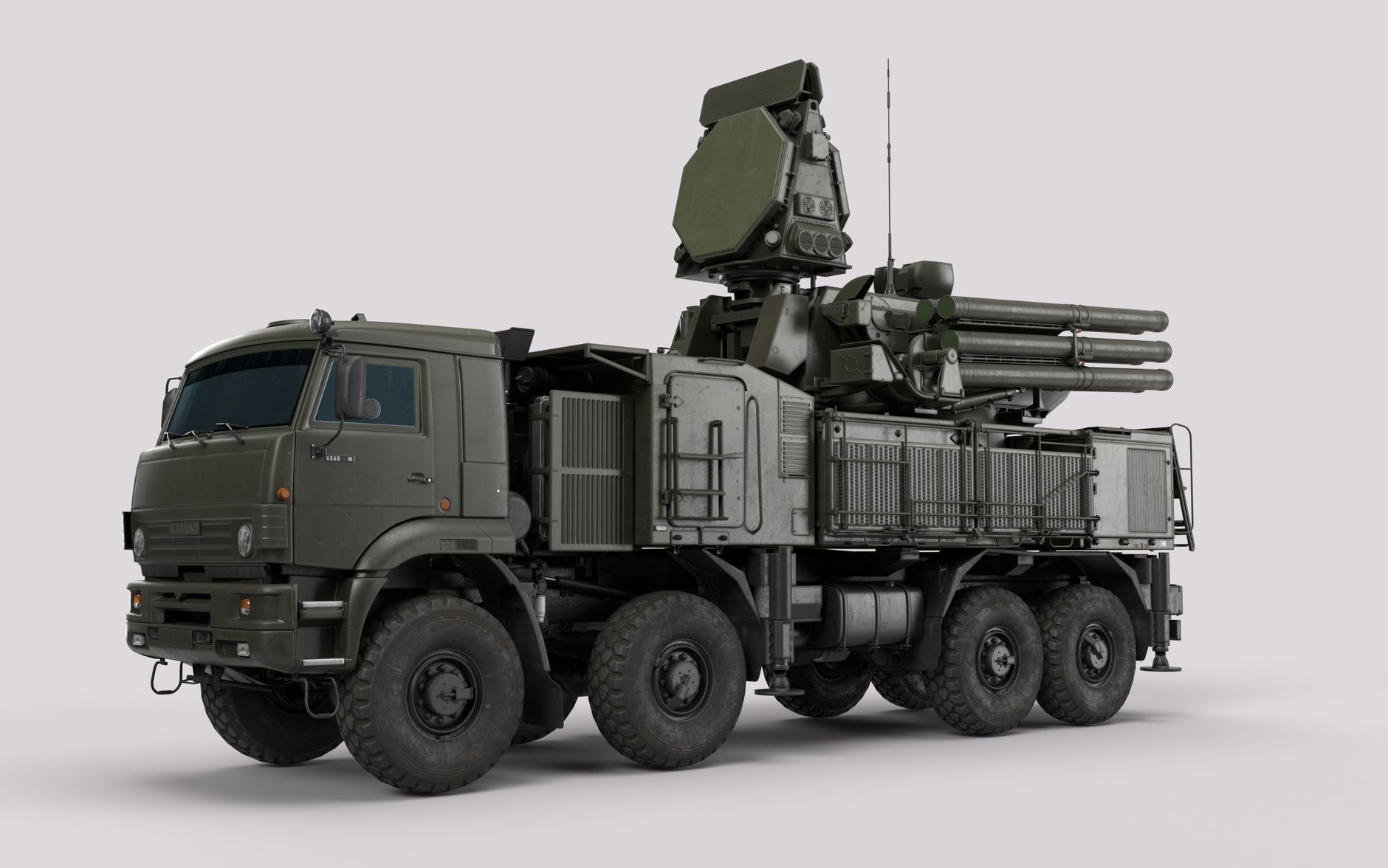
The Iranian anti-aircraft device was reportedly destroyed by US forces, leading to significant developments in military tensions. This incident raises questions about future engagements and international relations.
Overview of the Incident
In a significant development, U.S. forces have reportedly destroyed an Iranian anti-aircraft device, a move that has heightened tensions in the region. The incident occurred amid ongoing military operations aimed at curtailing threats posed by Iranian forces. Eyewitness accounts suggest that the device was targeted due to its potential use against U.S. aircraft in the area.
Key details of the incident include:
- Date of operation: The destruction took place on a specified date, although exact details remain classified.
- Location: The device was located in a strategic area known for its military significance.
- Response: U.S. officials have stated that the action was taken in self-defense and to protect U.S. personnel.
- Iran’s reaction: Iranian officials have condemned the attack, calling it an act of aggression and vowing to respond.
This event not only underscores the ongoing conflict between U.S. forces and Iran but also raises questions about the future of military engagements in the region. As tensions escalate, the implications of the destruction of this Iranian anti-aircraft device may resonate well beyond immediate military concerns.
Reactions from Iranian Officials
In response to the recent incident involving the destruction of an Iranian anti-aircraft device, various Iranian officials have expressed their outrage and concern. They assert that such actions are a blatant violation of international norms and threaten regional stability.
One prominent military spokesperson stated, “The destruction of our anti-aircraft device is an act of aggression that will not go unanswered.” This sentiment was echoed by other officials who emphasized the need for a united front against perceived foreign interventions.
Additionally, the Iranian government has called for an emergency meeting of key allies to discuss the implications of the incident. A senior diplomat remarked, “We must work together to defend our sovereignty and ensure that our air defense systems are respected.”
Analysts note that this incident could escalate tensions between Iran and the United States, especially given the ongoing conflicts in the region. There are growing fears that further military actions could lead to a broader confrontation.
In conclusion, the Iranian response highlights the seriousness with which officials view the destruction of their anti-aircraft device, signaling a potential shift in diplomatic relations moving forward.
Implications for US-Iran Relations
The destruction of the Iranian anti-aircraft device has raised significant concerns regarding the future of US-Iran relations. As tensions escalate, both nations are navigating a complex landscape shaped by recent military actions and statements from officials.
Analysts suggest that this incident may lead to:
- Increased Hostility: The destruction of such a critical asset could provoke a strong retaliatory response from Iran, further straining diplomatic channels.
- Heightened Military Readiness: The US may bolster its military presence in the region, anticipating possible Iranian counteractions, which could lead to a cycle of aggression.
- Impact on Negotiations: Future diplomatic discussions surrounding nuclear agreements could be jeopardized, as trust diminishes between the two nations.
- International Reactions: Allies and adversaries alike are closely monitoring the situation, which could influence their own military and diplomatic strategies.
As both sides assess the repercussions of this incident, the potential for escalation remains high. The international community is urged to promote dialogue to prevent further deterioration in US-Iran relations.
Analysis of Military Strategies
The recent incident involving the destruction of an Iranian anti-aircraft device has raised critical questions about military strategies employed by both Iran and the United States. Analysts suggest that this event highlights the ongoing tension between the two nations and the escalating arms race in the region.
Several key observations have emerged from the analysis of the military strategies surrounding the incident:
- Preemptive Strikes: The U.S. military’s capability to conduct preemptive strikes demonstrates a shift towards aggressive tactics aimed at neutralizing threats before they can be fully operational.
- Technological Advancements: The destruction of the Iranian anti-aircraft device underscores the importance of cutting-edge technology in modern warfare, where precision and efficiency are paramount.
- Iran’s Response: Iran’s choice to invest heavily in anti-aircraft systems reflects its strategy of deterrence, aiming to protect its airspace from potential incursions.
- International Implications: This incident could lead to increased military collaboration among U.S. allies in the region, further isolating Iran and complicating its defense strategies.
As military analysts continue to dissect the ramifications of this incident, the broader implications for both regional security and international relations remain a focal point of discussion.
Future of Air Defense in Iran
The future of air defense in Iran appears uncertain following the recent destruction of an Iranian anti-aircraft device by U.S. forces. This incident has raised questions about the effectiveness of Iran’s military capabilities and its ability to protect strategic assets. As tensions continue to escalate, analysts predict significant shifts in Iran’s defense strategies.
In response to this event, Iranian military leaders may seek to enhance their air defense systems through various means. Potential strategies include:
- Upgrading existing technology: Iran might invest in modernizing its current anti-aircraft systems to ensure better resilience against external threats.
- Acquiring new equipment: Engaging in arms deals with allied nations could provide Iran with more advanced military assets.
- Strengthening regional alliances: Collaborative efforts with neighboring countries could bolster collective air defense capabilities.
Additionally, the Iranian government may increase its focus on asymmetrical warfare tactics to counterbalance conventional vulnerabilities. The destruction of the Iranian anti-aircraft device serves as a stark reminder of the challenges facing Iran’s air defense and the potential for further military engagements in the region.
Photo by Sergey Koznov on Pexels





2 thoughts on “Iranian Anti-Aircraft Device: Clear Evidence of Destruction”