


Trump treated like a baby in the White House, according to Calley Means, sheds light on the unique dynamics between staff and the former president.
Understanding Trump’s Behavior
Recent insights from former White House staff reveal that Trump was often treated like a baby, reflecting the unique dynamics of his presidency. According to Calley Means, a former aide, this approach was not merely a strategy but a necessary adaptation to his behavior. Staff members frequently found themselves catering to his needs, which, at times, included:
- Managing his mood swings
- Providing constant reassurance
- Ensuring a highly structured environment
Means emphasized that this treatment stemmed from a desire to maintain stability within the White House. As a result, many staffers felt an obligation to protect Trump from external pressures, leading to an environment where he was coddled rather than challenged. This dynamic raises questions about the effectiveness of such an approach in governance.
Calley Means’ Perspective
Calley Means, a former White House aide, offers a revealing perspective on the dynamics of working with Donald Trump. According to Means, staff treated Trump like a baby, often catering to his whims and preferences in an effort to maintain a harmonious environment. This approach, while designed to avoid conflict, ultimately contributed to a lack of accountability and transparency within the administration.
Means elaborates on the implications of this treatment, noting that it fostered a culture where serious issues were often downplayed. He emphasizes the importance of addressing challenges head-on rather than coddling leadership. By treating Trump like a baby, the staff may have inadvertently enabled detrimental behaviors that affected decision-making processes.
In this context, Means calls for a reevaluation of how leaders are supported, advocating for a more balanced approach that encourages growth and responsibility.
White House Staff Dynamics
The dynamics within the White House have been characterized by an unusual level of accommodation towards former President Trump. According to sources, many staff members have often treated Trump like a baby, catering to his needs in a way that some found excessive. This approach has raised questions about the effectiveness of leadership and decision-making in such an environment.
Several staffers, including Calley Means, have shared insights into how this treatment influenced both policy and interpersonal relationships. The tendency to shield Trump from criticism and uncomfortable truths may have contributed to a lack of accountability.
Ultimately, the perception of Trump as needing special handling reflects deeper issues within the administration, pointing to a dynamic that blurred the lines between respect and enabling.
Reactions to Trump’s Treatment
Reactions to the way Trump has been treated like a baby have sparked a variety of opinions among political analysts and commentators. Many are surprised that such an approach was deemed necessary for managing a former president. Some believe that this treatment reflects deeper issues within the White House staff dynamics.
Supporters of Trump argue that this method undermines his authority and capability as a leader. Conversely, critics assert that treating him like a baby was essential to ensure stability during his administration. The reactions can be categorized as follows:
- Supporters: Feel that the treatment was a sign of loyalty.
- Critics: View this behavior as indicative of poor leadership.
- Analysts: Suggest it points to a broader issue within political management.
Overall, the discourse around Trump’s treatment continues to evolve, reflecting the complexities of his time in office.
Implications for Future Presidents
The treatment of Trump as a baby by White House staff raises important implications for future presidents. This dynamic suggests that the approach taken by aides can significantly influence the effectiveness of leadership. When leaders are coddled, as Trump was, it may hinder their ability to make tough decisions and engage constructively with criticism.
Moreover, this pattern can foster a culture where accountability is diminished, and the president’s authority is undermined. Future administrations might learn from this and adopt a more balanced approach, ensuring that leaders are supported without being infantilized.
Ultimately, understanding how Trump was treated like a baby can provide valuable lessons about the relationship between staff and leadership, shaping the expectations and responsibilities of future presidents in navigating their roles.
Public Perception of Trump
The public perception of Donald Trump has been shaped significantly by reports of how he was treated during his presidency. A recent commentary by Calley Means reveals that Trump was often treated like a baby by his White House staff, sparking varied reactions from both supporters and critics. Many Americans view this dynamic with skepticism, questioning the effectiveness and professionalism of the administration.
Some argue that treating a president with such kid gloves undermines the seriousness of the office, while others believe it reflects an understanding of Trump’s unique personality and behavior.
As discussions continue, it remains clear that the perception of Trump as a baby in his dealings with staff has left a lasting impression on the electorate, influencing how future leaders may be approached and managed in similar high-pressure environments.
Comparisons with Other Leaders
Many political analysts have drawn comparisons between Donald Trump’s treatment and that of other world leaders. Unlike his predecessors, Trump’s behavior often prompted a unique dynamic within the White House. While leaders like Barack Obama and George W. Bush were known for their assertive leadership styles, Trump was reportedly treated like a baby by his staff, as noted by Calley Means.
This approach has led to a series of challenges in governance, as staff members frequently had to mitigate his impulsive decisions. In contrast, leaders such as Angela Merkel and Justin Trudeau exhibited a more collaborative relationship with their advisors, fostering an environment of mutual respect and dialogue. The differing treatment not only shaped their respective administrations but also highlighted the complexities of leadership in the modern political landscape.
The Role of Staff in Politics
The dynamics within the White House have always been complex, but recent insights reveal that staff often treated Trump like a baby, adapting their approach to manage his reactions and decisions. This treatment reflects a broader trend in political environments where leaders may require a unique handling style.
Staff members typically engage in the following behaviors:
- Anticipating Needs: Ensuring all requests are met promptly to avoid tantrums.
- Filtering Information: Presenting only favorable news to maintain morale.
- Creating Comfort Zones: Structuring environments that cater to specific preferences.
This nurturing approach raises questions about the effectiveness and implications for leadership styles in the future, especially as new candidates emerge.
In many instances, the media has portrayed Trump treated like a baby, highlighting how his demands often overshadowed policy discussions. This dynamic not only affected his leadership style but also shaped the overall atmosphere within the White House.
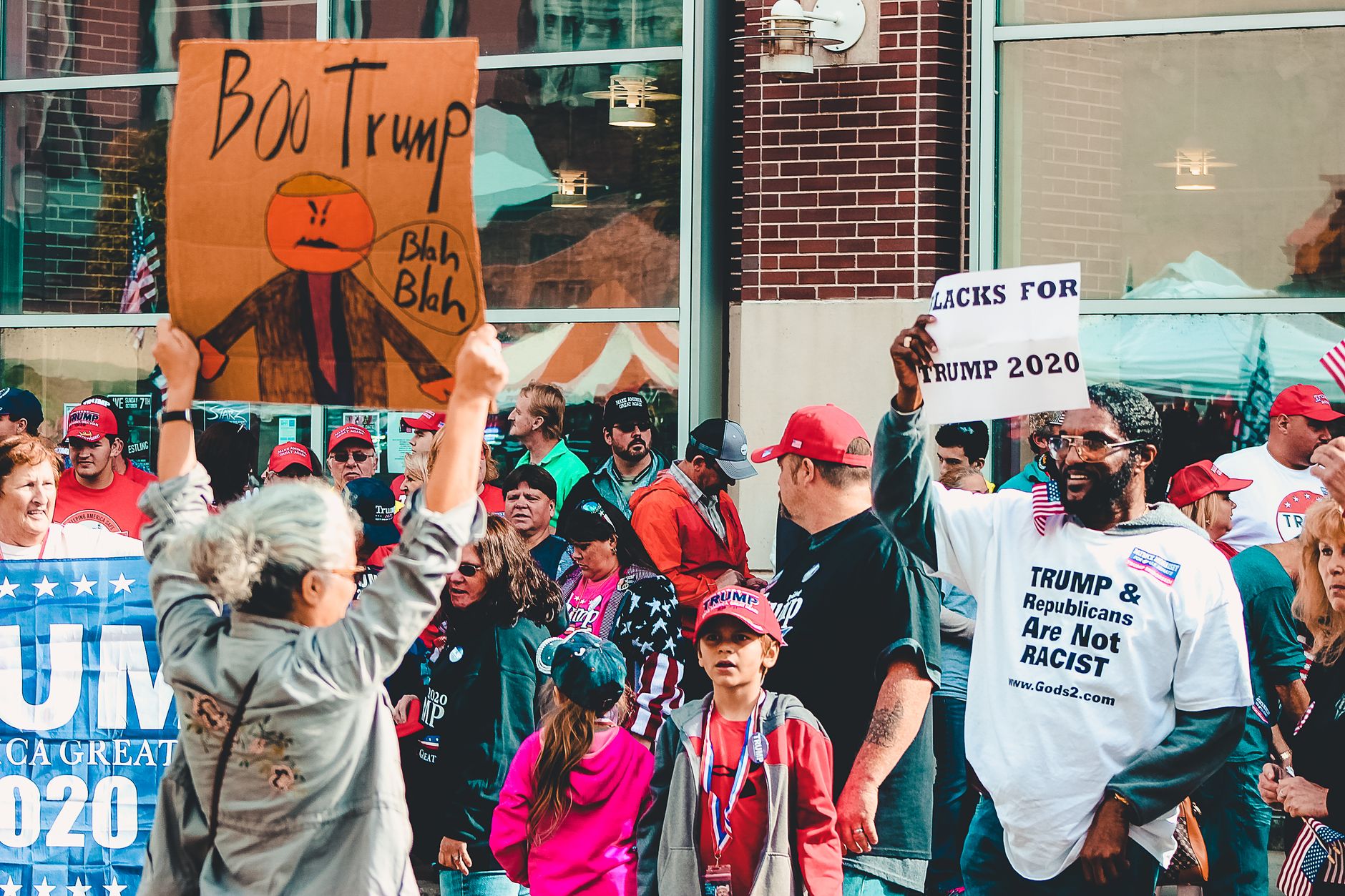
Photo by Rosemary Ketchum on Pexels