

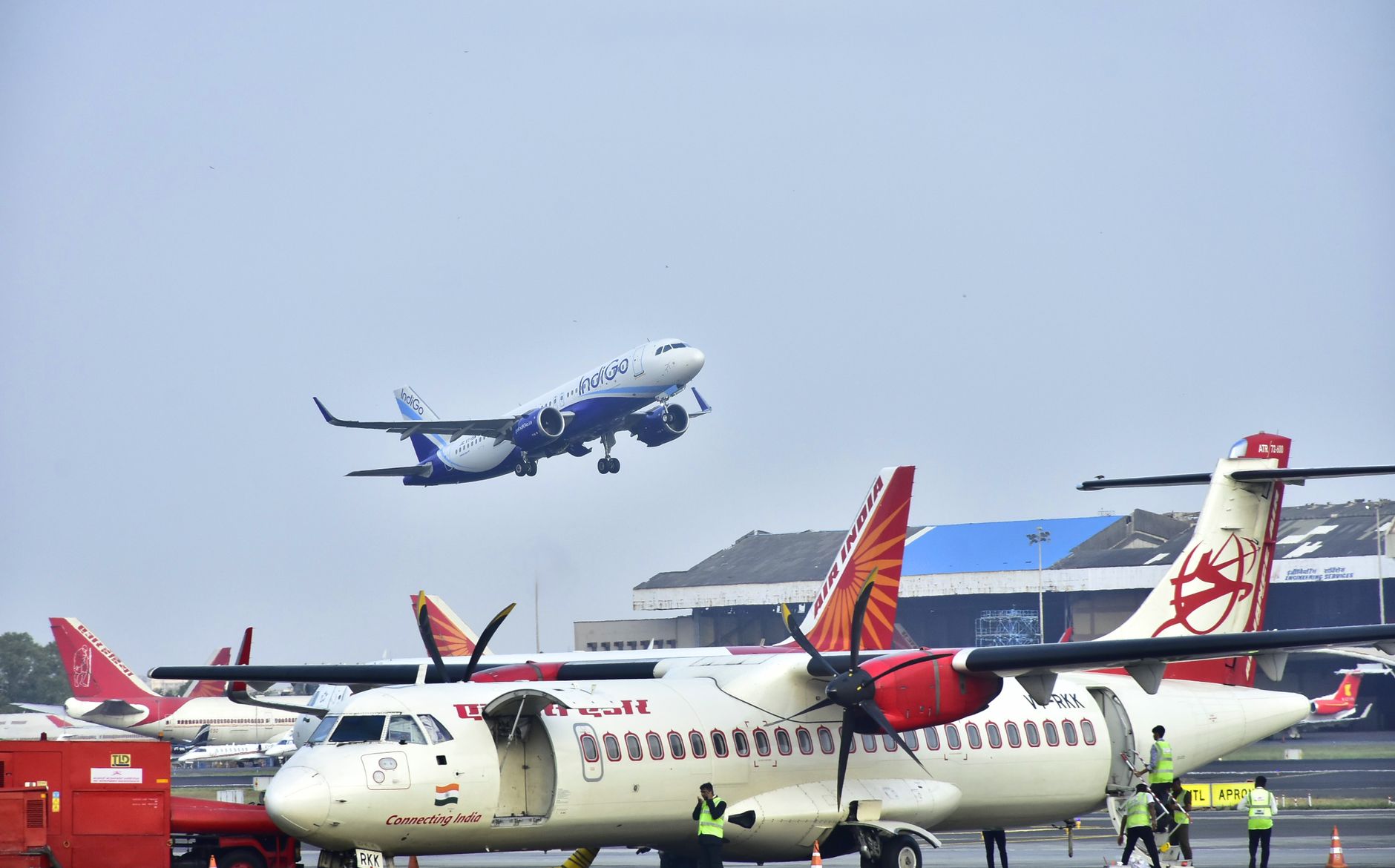
Air India Express boarding denial has become a hot topic after a social worker’s complaint about being denied boarding. The airline cited a strict 25-minute rule, raising questions about its policies.
Background of the Incident
Recently, a social worker highlighted a troubling incident involving Air India Express, where passengers faced a boarding denial that has been described as their “worst experience.” The incident occurred when a group of travelers arrived at the airport, only to be informed that they would not be allowed to board their flight due to the airline’s strict adherence to a 25-minute boarding rule. This policy mandates that passengers must complete their check-in and security procedures at least 25 minutes prior to departure.
While the airline argues that this rule is in place to ensure timely departures, many passengers feel that it is excessively rigid and lacks consideration for unforeseen circumstances, such as delays in security checks or long lines at the airport. The social worker, who witnessed the incident, criticized Air India Express for not providing adequate support to affected passengers and for failing to communicate the policy effectively during the check-in process.
With travel disruptions becoming increasingly common, the boarding denial has sparked a larger conversation about customer service and the need for airlines to balance operational efficiency with passenger rights and experiences.
What Happened During Boarding
During the recent incident involving Air India Express, passengers faced significant distress as they were denied boarding, a situation that has been described by many as their worst experience. The airline cited the 25-min rule, which states that boarding closes 25 minutes before the flight’s departure. However, numerous travelers reported arriving at the gate well ahead of this cut-off time.
Passengers expressed their frustration, stating that they had followed the standard procedures and that the communication from the airline was inadequate. Many felt blindsided by the abrupt denial, as they were left scrambling for alternative arrangements.
In response to the boarding denial, a social worker took to social media to voice their concerns, highlighting the need for clearer policies and improved customer service. They emphasized that:
- Transparency in communication is crucial for passenger trust.
- Airlines should consider exceptions for unforeseen circumstances.
- Customers deserve better treatment during travel disruptions.
The incident has sparked a debate on airline policies and the importance of customer care, particularly in stressful situations like boarding denials.
Airline’s 25-Minute Rule Explained
Air India Express has recently come under scrutiny due to their boarding denial policy, specifically the airline’s 25-minute rule. This regulation states that passengers must complete their check-in and boarding process at least 25 minutes prior to the scheduled departure time. Failure to adhere to this rule results in passengers being denied boarding, even if they arrive at the gate shortly after the cutoff.
The rule is designed to ensure timely departures and to streamline the boarding process; however, it has faced criticism from passengers who believe it is too rigid. Many argue that unexpected delays, such as long security lines or late arrivals at the airport, can hinder their ability to board on time.
In the recent incident involving a social worker, the enforcement of this 25-minute rule led to significant backlash. The passenger expressed frustration, claiming that the airline’s stringent policies disregarded individual circumstances. The situation has sparked a wider conversation about the need for airlines to adopt more flexible boarding practices, especially in cases where delays are beyond a passenger’s control.
As the debate continues, many are calling for a reevaluation of rules like the 25-minute cutoff to improve overall passenger experience.
Social Worker’s Reaction
A prominent social worker has voiced strong criticism against Air India Express following the airline’s recent boarding denial incident. In a statement, she expressed her disbelief at the treatment passengers received, particularly highlighting the emotional distress caused to families affected by the situation.
“It’s disheartening to see an airline like Air India Express deny boarding to passengers who arrived on time yet were not allowed to board their flight. This experience is not just an inconvenience; it can have serious repercussions for people’s lives,” she stated. Her comments reflect a growing frustration among travelers who feel that the airline’s policies are not passenger-friendly.
She urged the airline to reconsider its approach, emphasizing the importance of customer service and compassion in the aviation industry. “Airlines should prioritize the well-being of their passengers rather than strictly adhering to such rigid rules,” she added. The social worker also called for better communication and transparency from Air India Express regarding their policies, particularly the controversial 25-minute rule that has sparked outrage among many.
Overall, the boarding denial incident has raised significant concerns about passenger rights and the accountability of airlines in similar situations.
Passenger Rights and Responsibilities
Passengers have specific rights and responsibilities when it comes to air travel, particularly in situations like the Air India Express boarding denial incident. Understanding these can help travelers navigate their experiences more effectively.
Passenger Rights:
- Right to Information: Airlines must inform passengers of their rights, especially in circumstances that could lead to denied boarding.
- Right to Compensation: In cases of involuntary denial of boarding, passengers may be entitled to financial compensation depending on the airline’s policies and local regulations.
- Right to Assistance: Airlines are obligated to provide assistance, including meals and accommodation, if the denial leads to flight cancellations or significant delays.
Passenger Responsibilities:
- Timely Arrival: Passengers must arrive at the airport and boarding gate on time to ensure compliance with airline policies.
- Understanding Policies: It is crucial for travelers to familiarize themselves with the specific airline’s rules, such as the controversial 25-minute rule enforced by Air India Express.
- Documentation: Passengers should ensure they have all necessary documents ready for smooth boarding.
Public Response to the Incident
The incident involving the Air India Express boarding denial has sparked significant public outcry and debate across social media platforms. Passengers and advocates alike have expressed their dismay at how the situation was handled, with many sharing their personal experiences of similar issues.
Many users took to Twitter and Facebook to voice their concerns, with comments highlighting the need for clearer communication from airlines regarding boarding policies. A particularly resonant theme emerging from the discussions is the frustration over the lack of compassion shown toward passengers in distress.
Some individuals have emphasized that airlines should prioritize customer service and empathy, especially during stressful travel situations. Others pointed out that the rigid enforcement of policies, such as the 25-minute rule cited by Air India Express, can lead to unnecessary hardships for travelers.
In response, several advocacy groups have called for a review of airline policies related to boarding procedures. They argue that while punctuality is important, it should not come at the expense of passengers’ rights. This incident has served as a wake-up call, prompting a broader conversation about accountability and the treatment of airline customers.
Airline Policies Under Scrutiny
The recent incident involving Air India Express has brought the airline’s policies under scrutiny, particularly regarding their boarding procedures. Passengers and advocates have raised concerns about the Air India Express boarding denial experienced by many, particularly in light of the airline’s strict adherence to the 25-minute rule prior to departure. This policy, which mandates that all boarding must be completed at least 25 minutes before the flight’s scheduled takeoff, has sparked debate among travelers.
Critics argue that such a rigid framework fails to account for unforeseen circumstances, such as delays at security checks or other unexpected situations that can hinder timely boarding. Many passengers have expressed their frustration with the lack of flexibility in enforcing this rule, questioning whether it prioritizes customer service or operational efficiency.
Additionally, social workers and consumer rights advocates have called for transparency in how airlines communicate their policies to passengers. They emphasize the need for clearer guidelines and better support for travelers who might be unfairly penalized due to factors beyond their control. As scrutiny increases, it remains to be seen how Air India Express will respond to these criticisms and adjust their policies moving forward.
Future Implications for Airlines
The recent incident involving Air India Express boarding denial may have long-lasting implications for the airline industry. As more passengers become aware of their rights, airlines could face increased scrutiny regarding their boarding policies.
Industry experts suggest that airlines may need to reconsider their operational practices to improve customer satisfaction. Some potential future impacts include:
- Policy Reevaluation: Airlines might be compelled to reassess their existing boarding rules, especially those like the 25-minute rule, to ensure fair treatment of passengers.
- Increased Training: Cabin crew and ground staff may require enhanced training to handle boarding situations delicately and ensure clear communication with passengers.
- Legal Implications: Rising awareness of passenger rights could lead to more legal challenges against airlines, prompting them to adopt more customer-friendly policies.
- Reputation Management: Airlines will need to invest in public relations strategies to restore trust and brand loyalty after incidents of boarding denial.
As the travel landscape evolves, the Air India Express boarding denial incident will likely serve as a critical case study for airlines aiming to enhance their customer experience and operational transparency.
The recent incident of Air India Express boarding denial has left many passengers feeling frustrated and helpless. Travelers have shared their experiences, shedding light on the challenges faced during the Air India Express boarding denial process.
Photo by Saikat Bhowmik on Pexels
Read the original
You might also like
US business activity: The Clear Rise to Five-Year High · $3 Gas in Goleta: The Real Cost of Fuel Rising · Xbox layoffs news: The shocking changes at Microsoft




2 thoughts on “Air India Express Boarding Denial: Worst Experience Revealed”