
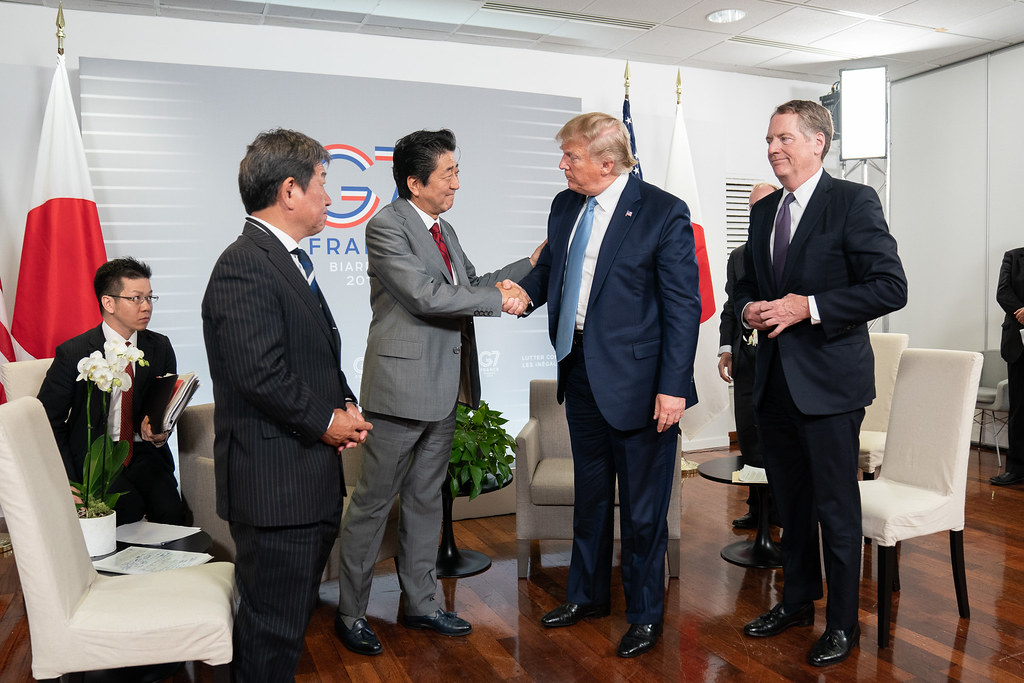
Trump trade negotiations are becoming more urgent as his trade chief pushes for intensified discussions with Canada. This development could significantly impact U.S.-Canada relations and trade dynamics.
Current Status of Trump Trade Negotiations
The current status of Trump trade negotiations with Canada is marked by increased urgency as the U.S. administration seeks to finalize trade agreements that could reshape economic relations. Recently, Trump’s trade chief has been advocating for a more aggressive approach to these negotiations, emphasizing the need to address outstanding issues swiftly.
Key areas of focus in the negotiations include:
- Tariffs: Both sides are discussing the potential reduction or elimination of tariffs that have been a source of contention.
- Market Access: Canada is pushing for improved access to the U.S. market for its agricultural exports, which is a critical point for Canadian farmers.
- Intellectual Property: Ensuring robust protections for intellectual property rights remains a significant concern for both countries.
As the negotiations progress, Canada is also evaluating its strategies to ensure that its interests are safeguarded. The emphasis on reaching a deal has become more pronounced, with both nations understanding the economic implications of prolonged discussions. In this evolving landscape, Canada must navigate the complexities of Trump trade negotiations while advocating for favorable terms that benefit its economy.
Implications for U.S.-Canada Relations
The ongoing Trump trade negotiations have significant implications for U.S.-Canada relations, particularly as both countries seek to establish a balanced and mutually beneficial trade framework.
As negotiations progress, Canada must navigate several challenges:
- Market Access: Enhanced access to the U.S. market is crucial for Canadian businesses, especially in sectors such as agriculture and manufacturing.
- Tariff Policies: The potential for changes in tariff policies could impact various industries, requiring Canada to prepare for both the possibilities of reduced tariffs and the risk of increased costs.
- Supply Chain Stability: Disruptions in supply chains can occur if negotiations do not yield favorable outcomes, which could affect the economies of both nations.
- Political Dynamics: The political climate in the U.S. can influence negotiations, making it essential for Canada to adopt a proactive approach to safeguard its interests.
Ultimately, the success of the Trump trade negotiations will depend on the ability of both countries to find common ground while addressing their respective priorities. A collaborative approach could strengthen the long-standing partnership between the U.S. and Canada.
Key Figures in the Trade Discussions
As the Trump trade negotiations continue to unfold, several key figures are playing pivotal roles in shaping the discourse between the United States and Canada. Understanding their influence is essential for grasping the complexities of the negotiations.
- Robert Lighthizer – The U.S. Trade Representative has been at the forefront of the negotiations, advocating for aggressive stances that align with the Trump administration’s objectives. His experience in trade policy makes him a significant player in discussions with Canadian officials.
- Chrystia Freeland – Canada’s Deputy Prime Minister and Minister of Intergovernmental Affairs, Freeland has been a central figure in representing Canadian interests. Known for her diplomatic skills, she is tasked with navigating the delicate balance between protecting Canada’s economy and fostering positive relations with the U.S.
- Donald Trump – As the President, Trump’s decisions ultimately drive the negotiations. His administration’s approach emphasizes American interests, often leading to a contentious atmosphere in talks with Canada.
As these key individuals continue to engage in negotiations, the outcome will significantly impact trade relations between the two nations, highlighting the importance of their roles in this ongoing dialogue.
What’s Next for Trade Policy?
The landscape of trade policy is shifting rapidly as the Trump administration intensifies its approach to trade negotiations. With the ongoing discussions surrounding tariffs and trade agreements, many are left wondering what the next steps will entail for Canada.
As the United States pushes for more favorable terms, Canada must strategize its response to ensure the protection of its economic interests. Several factors will play a crucial role in shaping the upcoming negotiations:
- Economic Impact: Understanding the potential repercussions on both nations’ economies will be vital in guiding Canada’s negotiating stance.
- Political Climate: The domestic political environment in the U.S. may influence Trump trade negotiations, impacting how aggressively Canada can push back against unfavorable terms.
- International Relations: Canada’s relationships with other trading partners may also affect leverage in discussions with the United States.
To navigate the complexities of these negotiations, Canada may consider adopting a more collaborative approach while remaining firm on key issues. As the situation evolves, it will be essential for Canadian leaders to stay informed and prepared to respond effectively to any developments in Trump’s trade strategy.
By The White House via Openverse



2 thoughts on “Trump Trade Negotiations: What’s the Best Approach for Canada?”