
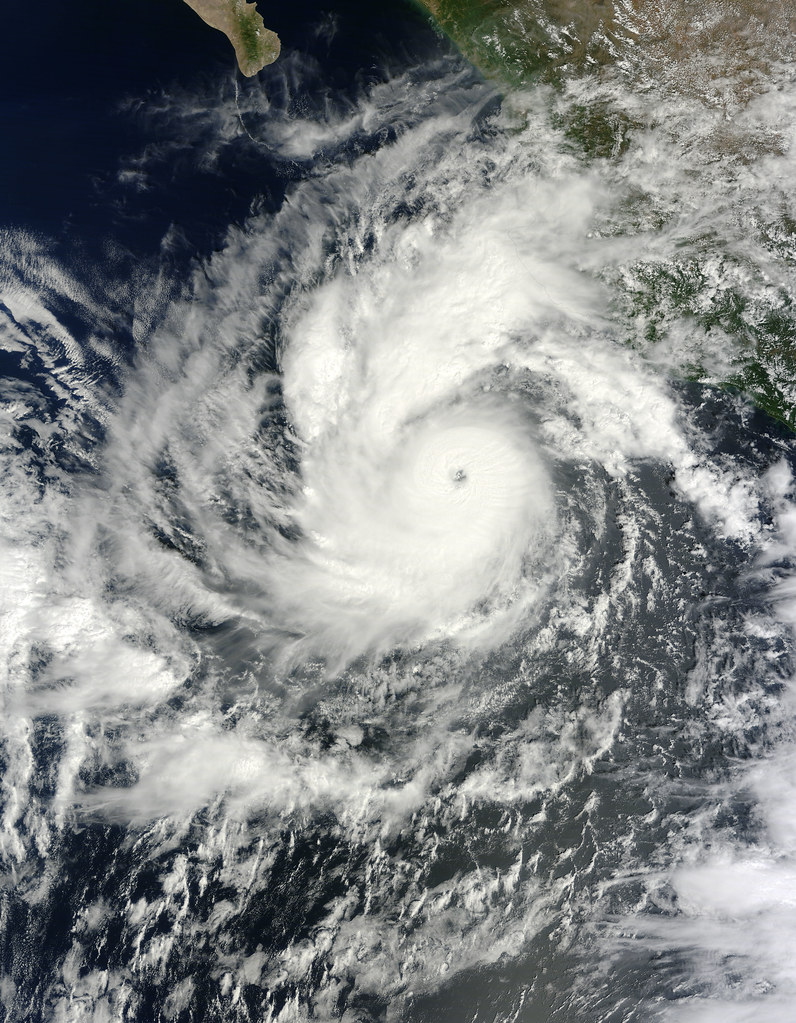
Flood risk remains high following recent storms that devastated the normally arid Southwest, leaving communities on alert for potential flooding.
Current Weather Conditions
As the rain subsides, the aftermath of the recent storms has left many areas in a precarious situation. The normally dry landscapes of the Southwest have transformed into swathes of water, creating a complex challenge for residents and authorities alike.
The National Weather Service reports that while the precipitation has diminished, the flood risk remains high due to saturated grounds and swollen rivers. Experts warn that any additional rainfall could exacerbate the already critical conditions.
Residents in affected regions are advised to stay vigilant and prepared as the situation develops. Key factors contributing to the heightened flood risk include:
- Ongoing water accumulation in urban and rural areas
- Increased runoff from surrounding hills and mountains
- Possible flash flood warnings in low-lying regions
Authorities are closely monitoring water levels and are urging the public to avoid unnecessary travel in flood-prone areas. It is crucial for everyone to remain informed and take necessary precautions during this uncertain period.
Impact of Recent Storms
Recent storms have left a significant impact across the Southwest, transforming usually dry landscapes into areas prone to flooding. The deluge has caused extensive damage to infrastructure, homes, and agriculture, leading to urgent warnings from local authorities.
In particular, the following consequences have been observed:
- Infrastructure Damage: Roads and bridges have been washed out, complicating transportation and emergency response efforts.
- Property Loss: Many residents have reported devastating losses, with homes inundated and personal belongings destroyed.
- Agricultural Concerns: Fields that were once drought-stricken are now saturated, posing a risk to crops and livestock.
- Emergency Responses: Local agencies are working tirelessly to assess damage and provide aid, but the risk of further flooding remains high.
As communities begin to recover, the focus must remain on preparedness, with experts warning that the flood risk remains high in the wake of these severe storms.
Flood Risk Assessment
As the weather stabilizes following a series of intense storms, experts are urging residents to remain vigilant, as the flood risk remains high across various regions. The recent rainfall has saturated the ground, increasing the likelihood of flash flooding, particularly in areas that are not typically prone to such events.
According to the National Weather Service, several factors contribute to this heightened flood risk:
- Saturated Soil: The heavy rainfall has left many areas with waterlogged ground, making it difficult for additional rain to be absorbed.
- Runoff Accumulation: Storm drains and waterways are overwhelmed, leading to potential overflow into residential areas.
- Topography: Regions with steep terrain are especially vulnerable, as water flows downhill rapidly, exacerbating flooding conditions.
Residents are advised to stay informed about local alerts and take necessary precautions, as the potential for flooding remains a serious concern in the aftermath of these destructive storms.
Community Preparedness
As communities begin to recover from the recent storms that swept through the Southwest, local leaders emphasize the importance of preparedness in face of the ongoing threat. While the rain has subsided, the flood risk remains high, prompting emergency services to issue warnings and guidance for residents.
Community preparedness initiatives have been ramped up to ensure safety measures are in place. Authorities recommend the following actions:
- Stay Informed: Monitor local weather updates and heed warnings from emergency management agencies.
- Create an Emergency Plan: Families should develop a plan that includes evacuation routes and communication strategies.
- Build an Emergency Kit: Stock essential supplies, including water, food, medications, and flashlights.
- Know Your Risk: Understand the flood zones in your area and take necessary precautions.
Community engagement is crucial, and local organizations are hosting workshops to educate residents about flood preparedness. Collaboration can make all the difference in minimizing risks in the future.
Official Warnings and Alerts
In the wake of recent storms, officials are urging residents to remain vigilant as the flood risk remains high across various regions. The National Weather Service (NWS) has issued several warnings and alerts, emphasizing the potential for further flooding due to saturated ground conditions and additional rain forecasts.
Key points from the latest advisories include:
- Flash Flood Warnings: Areas that have experienced heavy rainfall are at increased risk for flash flooding, especially in low-lying regions.
- Flood Watches: Residents in the affected zones should prepare for possible evacuations and stay tuned for updates.
- Increased River Levels: Rivers and streams are likely to overflow, posing risks to homes and infrastructure.
Local emergency management agencies recommend that community members monitor weather updates closely and take necessary precautions to protect their families and properties. As the situation develops, residents are reminded to avoid traveling through flooded areas and to heed warnings from authorities.
Historical Context of Flooding
The history of flooding in the Southwest serves as a critical reminder of the region’s vulnerability to extreme weather events. Over the past few decades, the area has experienced a series of devastating floods that have reshaped communities and disrupted lives. These events highlight the ongoing challenges posed by climate change, which has intensified rainfall patterns and increased the frequency of severe storms.
In recent years, the region has transitioned from periods of drought to sudden, intense rainfalls. This shift has led to an alarming rise in flood risk, particularly in areas that are not typically prone to such phenomena. As local governments implement measures to mitigate these risks, residents are urged to remain vigilant.
Historical data indicates that floods can occur with little warning, overwhelming drainage systems and inundating homes. The flood risk remains high even after the rain has stopped, making it essential for communities to stay informed and prepared for potential emergencies.
- 1983: Major floods caused significant property damage.
- 1997: Flash floods resulted in tragic loss of life.
- 2005: Unprecedented rainfall left many areas underwater.
Safety Tips for Residents
As residents continue to recover from the recent storms, it is crucial to prioritize safety to mitigate risks associated with potential flooding. With the flood risk remaining high, individuals should take proactive measures to protect themselves and their property.
Here are some essential safety tips:
- Stay Informed: Regularly check local news and weather reports for updates on flood warnings and conditions.
- Prepare an Emergency Kit: Ensure that you have a kit stocked with necessary supplies, including water, non-perishable food, medications, and flashlights.
- Develop a Family Plan: Discuss and create a plan for your family that includes evacuation routes and communication methods.
- Inspect Your Property: Take time to clear gutters and drains to prevent water accumulation around your home.
- Know Your Flood Risk: Familiarize yourself with your area’s flood history and vulnerability to flooding.
By staying vigilant and prepared, residents can ensure their safety as the flood risk remains high in the aftermath of the storms.
Future Weather Predictions
As meteorologists analyze the aftermath of recent storms, future weather predictions indicate that the flood risk remains high across the region. The National Weather Service has reported that additional rainfall is expected in the coming days, which could exacerbate the already saturated ground conditions.
Key predictions for the upcoming week include:
- Increased precipitation: Rainfall amounts could reach up to two inches in certain areas, particularly in low-lying regions.
- Severe weather alerts: Thunderstorms are likely, with potential for flash flooding in vulnerable zones.
- Temperature fluctuations: A cooling trend might lead to isolated weather patterns that could enhance storm development.
Residents are urged to stay vigilant and monitor updates from local weather services. With flood risk remaining high, it is crucial for communities to remain prepared and responsive to any advisories issued. Experts stress that awareness and prompt action are essential in mitigating potential dangers from future weather events.
As communities begin to assess the damage, experts warn that the flood risk remains high in many areas. Continued rainfall and saturated ground conditions contribute to the unsettling reality that flood risk remains high even after the storms have passed.
By NASA Goddard Photo and Video via Openverse
Sources
Indian Navy rescue: Is this the best proven operation? · Pebble Qore Vox: The Best Smart Band with Microphone · School violence incident: Shock and anger in India

2 thoughts on “Flood Risk Remains High After Storms: A Clear Warning”